Work in the countryside, earning from what you produce
Rubber plantations need people to produce rubber. Rubber tappers work outdoors, close to their families, and keep a share of the rubber they produce. No experience needed: Hevea Flow offers the course, free of charge.
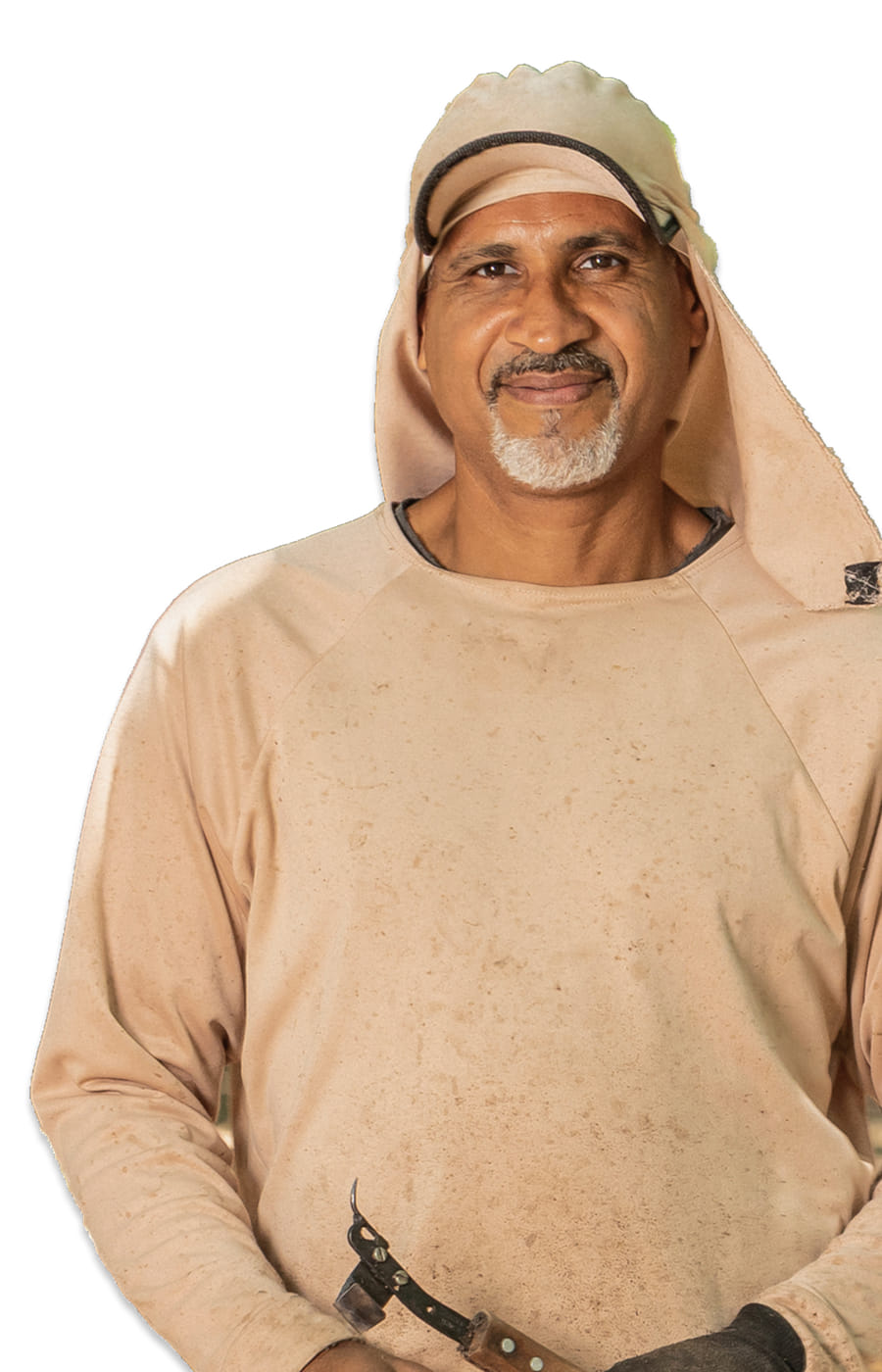
What a rubber tapper does
Tapping
A thin cut in the bark of the rubber tree makes the latex flow into the cup. It is the heart of the job, and a good cut keeps the tree producing for longer.
Collection
The latex coagulates in the cup and becomes cup lump, which the rubber tapper collects for weighing.
Caring for the plantation
Stimulation, changing cups, cleaning: rubber tappers look after the trees in their task.
Each rubber tapper is in charge of an area of the plantation, the task, and follows a tapping calendar. The day starts early, when the tree produces best.
What the profession offers
Income from what you produce
As a partner, you keep a share of the rubber you produce. The more care and dedication, the higher the income.
Family together
On some farms, the whole family can live, work and grow together on the plantation.
Outdoor work
Every day, in the middle of a planted forest.
A lasting trade
A rubber plantation produces for decades, and those who tap well always have a place in it.
Close to home
There are rubber plantations in many inland regions. You can work near your community, without moving far away.
How much you can earn
In a partnership, the rubber tapper keeps a percentage of the rubber they produce; the most common is 40%. Production depends on how many trees you tap and how much each tree yields; income also depends on the cup lump price.
How the partnership works
- Each side contributes. The producer provides the plantation; you provide the work.
- The rubber is shared. You keep a percentage of the rubber you produce. The most common is 40%, but each farm may offer a different rate: ask before you start.
- Your share is yours. Usually, you are free to sell your rubber to whoever you want, at the price you agree with the buyer.
The percentage you keep must be written in the partnership contract. Always ask for a written contract: it protects you and the producer.
Learn on the plantation
Hevea Flow's course is free, with classes by consultant Guilherme Gazzoni and practice on a real plantation, at Fazenda Santo Antônio, in Martinópolis (São Paulo, Brazil). Classes of 15 people.
November 12, 2026
The course is in person and in Portuguese.
How to start in the profession
- 1
Talk to us
On WhatsApp, tell us where you live and whether you have worked in the countryside.
- 2
Take the course
You learn to tap safely and without hurting the tree.
- 3
Start on a plantation
As a partner, with a written contract.
- 4
Track your work
In the free rubber tapper app, you get your schedule, record your tapping and see your own performance.
Questions from those who want to start
Do I need experience?
No. The trade is learned in the course and in practice, alongside people who already know it.
Can women be rubber tappers?
Yes, and many are.
Do I need to live on the farm?
It depends on the farm. Some offer housing; on others, the rubber tapper lives nearby and commutes every day.
How do I get paid?
By selling your share of the rubber. Usually, you sell to whoever you want, at the price you agree with the buyer.
Is there a minimum age?
Yes, 18 years.
How much does the course cost?
Nothing. Hevea Flow's course is free.
Want to be a rubber tapper? Let's talk
Tell us where you live and we will point you to the next step.